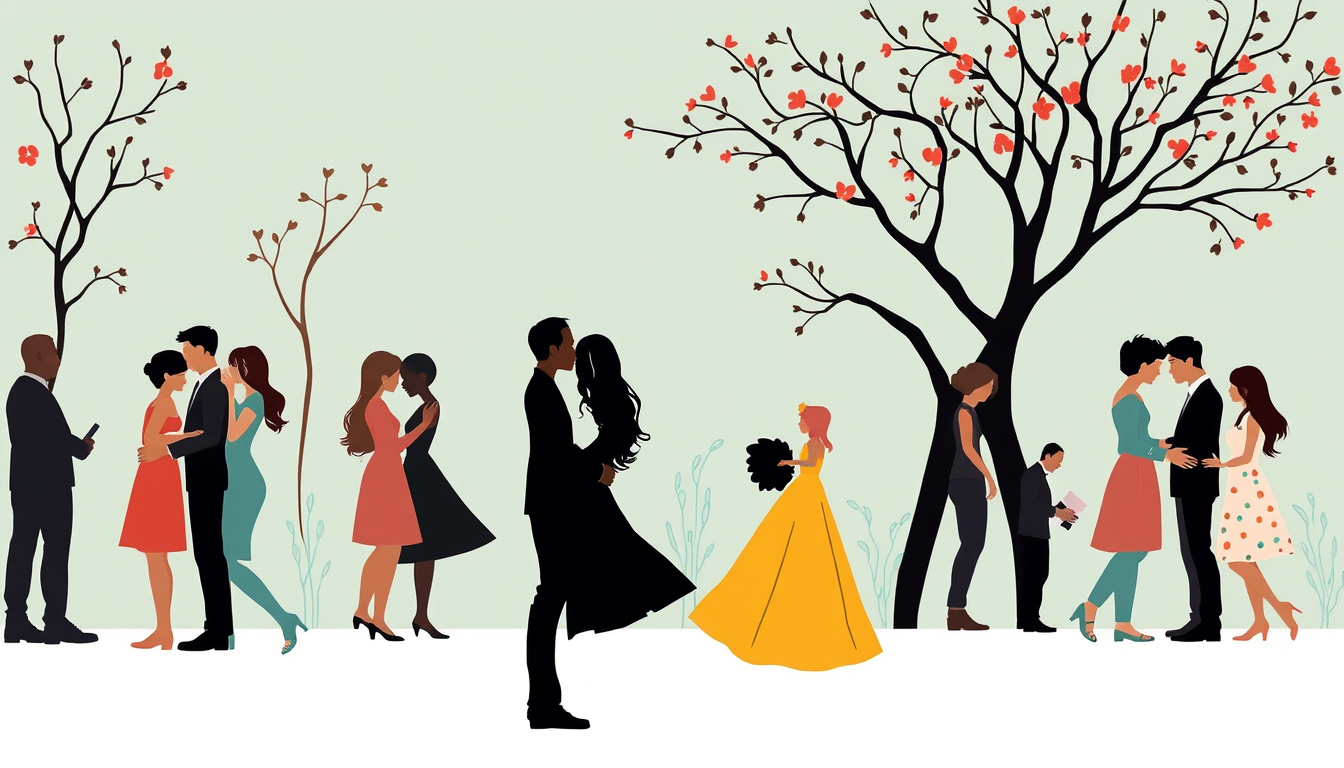
Lowkey, navigating love these days can feel like playing a game of chess while blindfolded, right? 😅 Enter the world of ‘situationships’—the unofficial label that’s confusing your heart (and your TikTok FYP). Lately, it seems everyone is talking about these half-relationships that have become a cultural staple, and it’s not just an aesthetic choice—it’s rooted in the way we connect nowadays.
So, what’s a situationship? Imagine two people vibing without the title of a classic relationship—where the feelings are real but the commitment is… well, a little complicated. According to relationship expert Dr. Laura Berman, it’s all about navigating that gray area where emotions meet intention. In a world swarming with ghosting and no strings attached, how do we define love? 🤔
In this post, we’re diving deep into the situationship scene: we’ll unpack its definition, check out some statistics on how common these unofficial relationships really are, and explore how they impact our mental health. Whether you’re wondering if you’re in one or just curious about the phenomenon, we got the rizz to help you sort it all out! 🌟 Let’s get into it!

Key Takeaways
- Situationships are characterized by emotional involvement without formal commitment.
- Cultural shifts have led to an increase in the popularity of situationships among younger generations.
- Recent statistics suggest that a significant percentage of relationships fall into the category of situationships.
- Emotional health can be impacted negatively due to the ambiguity and lack of commitment in situationships.
- Transitioning from a situationship to a formal relationship requires open communication and mutual willingness from both partners.
Defining Situationships: Characteristics and Dynamics
When it comes to modern dating, the term ‘situationship’ has been buzzing around, and it’s lowkey redefining how we engage in relationships. 📅 So, what exactly is a situationship? Essentially, it’s that ambiguous zone between a romantic relationship and just a hookup, where both people have some feelings but haven’t fully defined their connection. You know the vibes: late-night texts, spontaneous hangouts, and maybe even shared Netflix binges, but without the titles—no labels, just vibes.
Characteristics of a situationship often include unclear intentions, lack of commitment, and fluctuating emotional availability. These dynamics can leave you feeling both high-key excited and lowkey confused as you navigate the unpredictability of your feelings.
Studies show that about 50% of young adults have reported being in a situationship at some point (source: 2021 survey by Pew Research Center). That’s right, almost half of us are out here figuring it out behind the scenes! Plus, the situationship percentage spikes in Gen Z and Millennials due to our unique approach to dating—thanks to apps, social media, and the desire to keep options open. \n
Understanding these trends is key in navigating your own romantic life, especially when so many are caught up in the joy of flirtation without the pressure of commitment. So, if you’re feeling those situationship vibes, know that you’re not alone! 💕
The Rise of Situationships: Cultural and Social Trends
## The Rise of Situationships: Cultural and Social Trends
Hey fam, ever found yourself in a vibe where you’re not quite dating, but you’re definitely not just friends? Welcome to the world of situationships! 💔✨ According to recent studies, the situationship percentage among Gen Z and Millennials is skyrocketing, with some research suggesting that nearly 50% of young adults have been in or are currently in a situationship.
What gives? 🤔 Well, with social media and dating apps like TikTok and Tinder shaping our love lives, definitions of relationships have blurred. Situationships are all about keeping things casual while still catching feels—basically, the perfect recipe for low-commitment love.
In a world where TikTok viral dating trends dictate what’s ‘in,’ it’s no surprise that many of us are swiping right and then figuring out the labels later. No cap, this casual approach reigns supreme for individuals who embrace freedom and flexibility over traditional commitment. According to the Pew Research Center, 49% of young adults find it hard to label their relationships.
Whether it’s a hot summer fling or those cozy Netflix-and-chill vibes, the rise in situationships is emblematic of a larger shift in how romantic relationships are perceived today. The fear of heartbreak, combined with the pressure to maintain personal autonomy, continues to push the situationship percentage higher. So, if you’re in the middle of one, just know—you’re not alone in this wild ride!
Also, memes about situationships are everywhere! Who else has seen that ‘It’s complicated’ meme trending around? 😅 Just goes to show that the cultural vibe is real, and we’re all trying to navigate this ambiguous landscape together! Stay tuned as we dive deeper into what makes a situationship tick and how to navigate it like a pro.
‘The greatest relationships are the ones you never saw coming.’ – Unknown

Statistics on Situationships: What Percentage of Relationships?
### Situationship Percentage: The Current Relationship Landscape 💔
Ever found yourself vibing with someone but not quite sure what to call it? You’re not alone! Situationships have become the norm for many Gen Zers navigating the dating scene today. According to a survey conducted by YouGov, nearly 50% of young adults aged 18–29 have experienced a situationship, indicating that people are often reluctant to define their connections. It’s a vibe that’s both casual and complicated, where feelings are real, but commitment? Not so much.
Moreover, a study from Pew Research found that about 40% of millennials and Gen Z prefer these undefined relationships over traditional dating, seeing it as a way to avoid the pressure of labels while still enjoying the perks of companionship. This statistic highlights the dynamic nature of modern relationships where clarity isn’t always necessary to maintain a connection. Lowkey, it’s like navigating a maze of mutual attraction with no set destination. ✨
So, if you’re caught in a situationship and wondering where you stand, just know that many share your struggle. But hey, don’t forget to check out RizzCheck to see if your vibes align, and maybe—you never know—you might just be meant to be! 🚀
Impact of Situationships on Emotional Well-being
## Impact of Situationships on Emotional Well-being
Lowkey, we’re all out here trying to navigate the tangled web of modern dating, and that often leads us into the realm of situationships. 🙃 So, what’s the deal? Well, according to recent studies, a staggering 45% of young adults (ages 18-30) reported being in a situationship at some point in their lives. That’s a whole vibe! But while it might sound fun and laid-back, these dynamic relationships can really impact your emotional health, fam.
1. Emotional Rollercoaster:
In a situationship, the lack of labels can lead to confusion and insecurity. You’re vibing, but are you together? 😳 Research suggests that fluctuating emotions can lead to anxiety and stress levels skyrocketing, especially when you’re unsure about where you and your partner stand. A strong emotional connection can create a sense of attachment, but without clear communication, it’s easy to fall into a spiral of doubt.
2. The Fear of Commitment:
Did you know that 52% of participants expressed that they prefer situationships to traditional dating because they fear commitment? 🤯 It’s like, who wants to put a label on things when you can just enjoy the moment? However, that fear can hurt your emotional well-being in the long run, leaving you feeling empty or unfulfilled.
3. Comparisons and Social Media:
In the age of IG and TikTok, situationship dynamics get even more complicated. With 64% of people admitting they compare their situationships to others on social media, it’s no wonder anxiety levels are on the rise. When every couple on your feed seems deeply in love, it can leave you questioning your own relationship status.
Staying informed about the emotional impacts of situationships means being one step closer to healthy connections. 🤗 So, if you find yourself in a situationship, remember to communicate openly and explore what you genuinely want, fam!

Navigating the Shift: How to Transition from a Situationship to a Formal Relationship
## Navigating the Shift: How to Transition from a Situationship to a Formal Relationship
Lowkey, we’ve all been there: hanging out with someone and vibing hard, but is it a situationship or something more? 😅 According to stats, about 50% of young adults find themselves in a situationship—where things are too blurry to call it a relationship, but too deep to just be friends. This makes transitioning from a situationship to a formal relationship a real challenge! So, how do you make the leap from being ‘just chilling’ to being each other’s official boo? Here’s a roadmap for navigating that important upgrade:
1. Have the Talk: First things first, you gotta address the elephant in the room. Open up that convo about your feelings and intentions. Is this a lowkey vibe or do we have soulmates on the brain? 🤔
2. Define the Relationship (DTR): After that initial chat, it’s time to collaboratively define what a formal relationship looks like for both of you. No cap, make sure you’re on the same page about exclusivity, dates, and other expectations.
3. Meet the Friends and Fam: A good sign that you’re ready to level up is when you’re comfortable introducing each other to your circle. Show your partner off to your besties and fam! If they vibe with your inner circle, you know the match is giving immaculate energy! 💖
4. Plan Date Nights: Step out of the friend’s zone and into the romantic zone! Plan cute dates that make you both feel special and invested. The more memories you create together, the stronger the bond will be.
5. Take it Slow: Transitioning takes time, and that’s okay! Don’t rush the process; let feelings evolve naturally. Enjoy the little moments, and don’t forget to check in with each other throughout the journey.
Remember, it’s totally normal to feel nervous about making things official. After all, 30% of individuals worry about how to transition successfully! Just keep communication open and trust the vibes. ✨ Finally, give it a go and see where it leads—love often surprises you when you least expect it.
Leave a Reply